How Room Orientation Changes Paint Colour Under Natural Light
Why does a paint color selected under store lighting look entirely different once applied to a wall at home? Daylight entering through north-facing windows carries a spectral power distribution rich in short blue wavelengths, while south-facing exposures deliver long red and yellow wavelengths that shift the perceived hue of every pigment. These directional differences in the spectrum alter interior color appearance continuously throughout the day. A homeowner who selects a warm white chip under fluorescent tubes may find the dried film looks stark and clinical beside a shaded north window. The discrepancy is optical physics rather than a manufacturing defect. Understanding how compass orientation governs pigment behavior prevents costly repainting and grounds color planning in measurable data.
Contents
- Why does natural light change paint colour perception in interiors?
- How does north-facing daylight affect interior paint colours?
- How does south-facing daylight alter paint colour appearance?
- What happens to paint colour in east-facing and west-facing rooms?
- How should you test paint colours accurately for different room orientations?
- How do window glazing and artificial light interact with orientation effects?
Key takeaways
- Natural light alters paint color perception because daylight contains a shifting spectrum of wavelengths depending on sun angle, atmospheric conditions, and time of day.
- North-facing windows receive indirect, diffused skylight with a higher proportion of short blue wavelengths and a correlated color temperature typically between 7,000K and 10,000K.
- South-facing windows admit direct sunlight with a lower correlated color temperature, often between 4,000K and 5,500K, rich in long red and yellow wavelengths.
- East-facing rooms receive direct morning light that shifts rapidly from warm to neutral as the sun rises, causing paint colors to shift noticeably within hours.
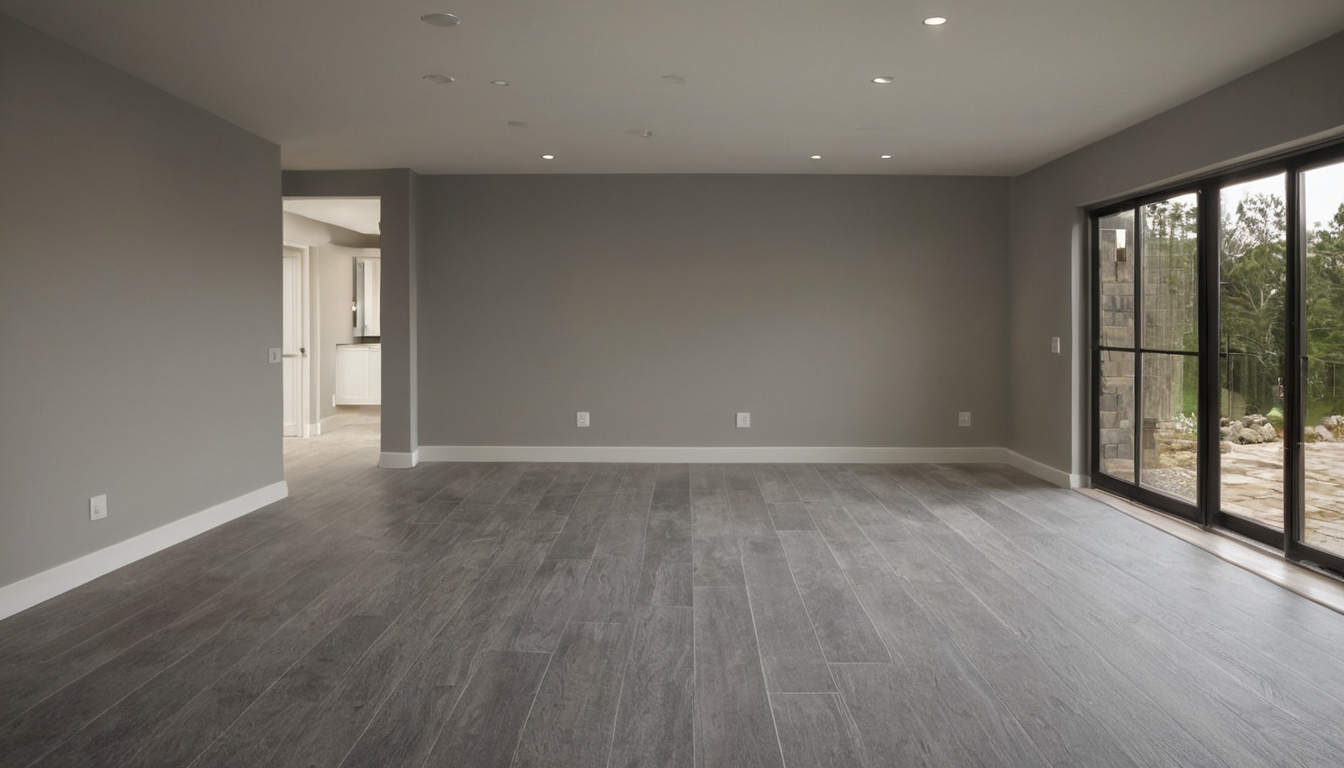
How Room Orientation Changes Paint Colour Under Natural Light.
Why does natural light change paint colour perception in interiors?
Natural light alters paint color perception because daylight contains a shifting spectrum of wavelengths depending on sun angle, atmospheric conditions, and time of day. A painted surface reflects only the wavelengths present in the light hitting it. When the spectral composition changes, the reflected color reaching the human eye changes accordingly.
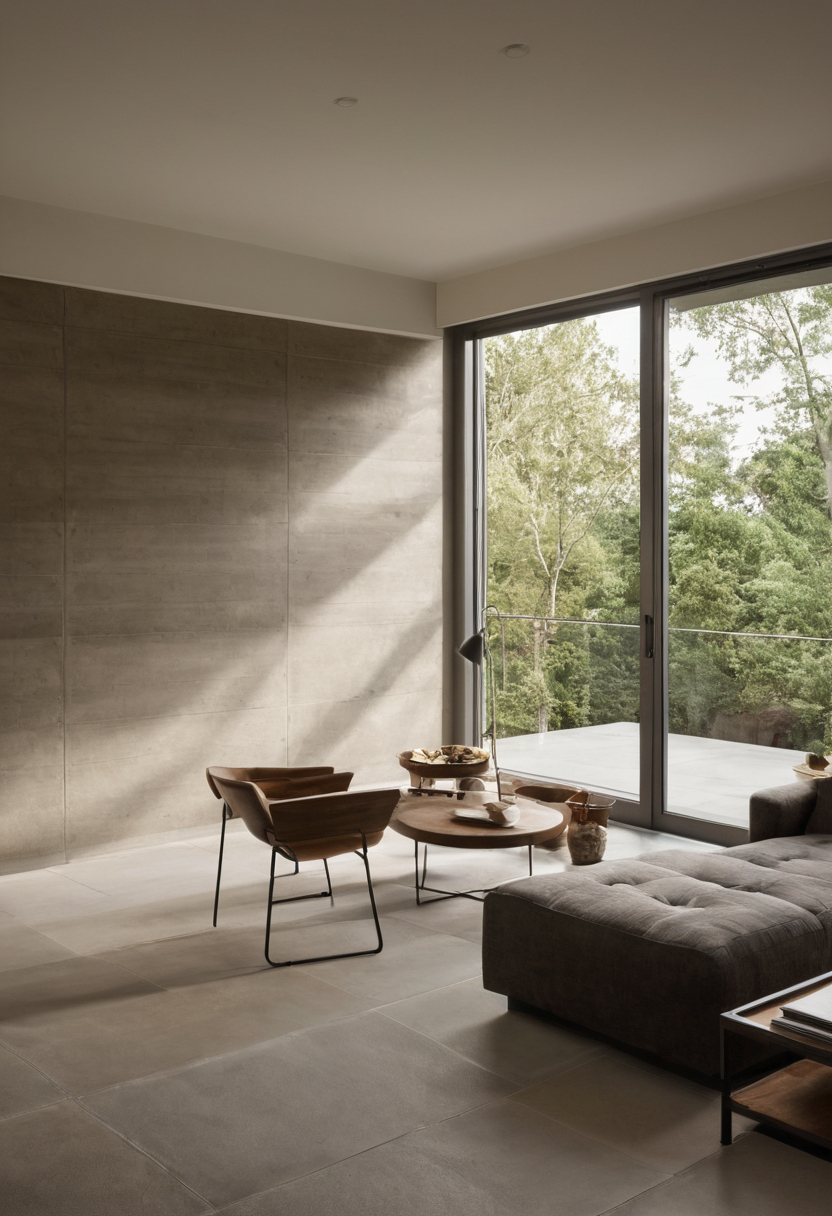
Why does natural light change paint colour perception in interiors.
Spectral power distribution defines the intensity of each wavelength within a light source. Direct sunlight at midday delivers a broad, relatively balanced spectrum across visible wavelengths. Morning or late afternoon light travels through more atmosphere, scattering shorter blue wavelengths and allowing longer red and yellow wavelengths to dominate. This shift directly changes which wavelengths a pigment can reflect back into a room. In Northern Hemisphere mid-latitudes, residential interiors with standard clear glazing experience these directional shifts daily, making wall color appear unstable from dawn to dusk.
Metamerism occurs when two color samples match under one light source but diverge under another. Architectural coatings frequently exhibit metamerism because pigments have distinct spectral reflectance curves. Two gray paints may look identical under a store display lamp yet separate into blue-gray and green-gray once applied to a north-facing bedroom wall. The mismatch occurs because the pigments reflect different wavelength combinations that the eye interprets as the same hue only under specific lighting.
Color science standards provide controlled reference points for evaluating these shifts. ASTM E308-22 specifies procedures for computing CIE tristimulus values and chromaticity coordinates using standard illuminants, including D50 and D65, to evaluate the color of objects under defined spectral power distributions (ASTM International). Illuminant D65 represents average midday daylight with a correlated color temperature near 6500 K, while D50 simulates warmer horizon light near 5000 K. These benchmarks allow spectrophotometric measurement of opaque materials, including architectural coatings, under repeatable conditions rather than variable window light.
How does north-facing daylight affect interior paint colours?
North-facing windows receive indirect, diffused skylight with a higher proportion of short blue wavelengths and a correlated color temperature typically between 7,000K and 10,000K. This cool light suppresses warm undertones in paint, making creams appear grayish and pale blues look sharper. Colors with low chroma are most vulnerable to this shift.
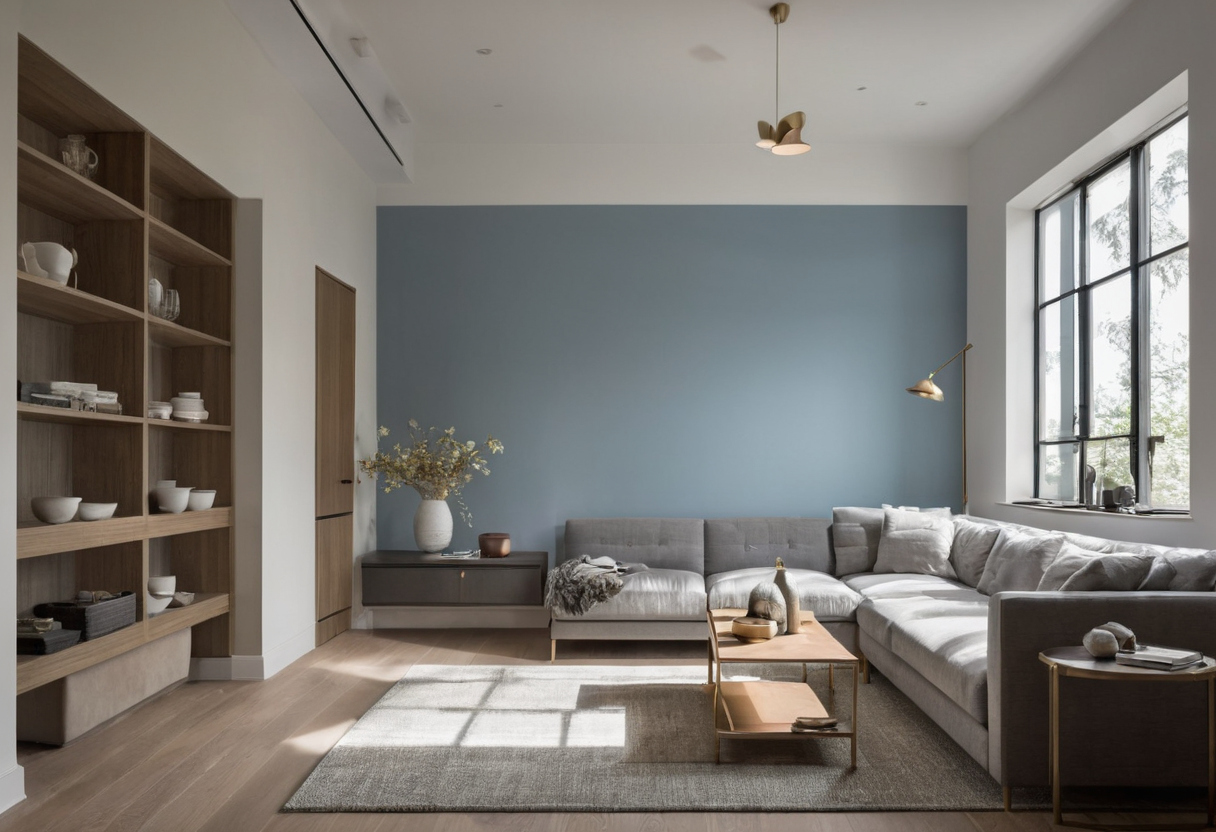
How does north-facing daylight affect interior paint colours.
Planning paint colors for north-facing rooms in the Northern Hemisphere requires anticipating this spectral bias before selecting a finish. Rooms without direct sunlight rely entirely on scattered sky radiation, which carries minimal red or yellow energy. Standard double-glazed windows transmit this diffuse light without adding warmth, leaving the wall surface to reflect only the available short-wavelength spectrum.
Architectural paint bases designed for neutral tints often carry hidden color biases visible only under specific illuminants. Titanium dioxide, the primary white pigment in most interior coatings, reflects broadly across the visible spectrum but cannot mask the behavior of added colorants. When those colorants include phthalo blue or dioxazine purple, the resulting mixture absorbs longer wavelengths. North-facing daylight, already deficient in those longer wavelengths, leaves only the short-wave reflection visible to the viewer. Selecting a paint chip that appears perfectly neutral under warm showroom halogens frequently results in an unexpected cool cast once applied to a north-facing plaster surface.
Reflectance value thresholds determine where color stability improves. Paints with a light reflectance value below 30 generally hold their character in north-facing orientations, while those above 60 remain highly susceptible to the blue shift. In compact rooms with limited square footage, light bounces between closely spaced opposite walls. This inter-reflected light can either reinforce the cool cast or, if a darker saturated shade is used, anchor the space visually.
How does south-facing daylight alter paint colour appearance?
South-facing windows admit direct sunlight with a lower correlated color temperature, often between 4,000K and 5,500K, rich in long red and yellow wavelengths. This warm light amplifies yellow, red, and orange undertones in paint while muting cool tones. Whites may appear creamy, and grays can take on a beige cast.
Direct solar radiation entering unobstructed southern exposures in the Northern Hemisphere carries high illuminance levels that saturate interior surfaces. Cool-toned pigments reflect less of this abundant long-wavelength energy, causing blue or violet undertones to recede visually. A pale gray specified under standard D65 daylight conditions will look warmer against a south-facing wall receiving hours of direct sun. Specifiers evaluating architectural coatings must account for this spectral shift rather than relying solely on store lighting or north-lit studio samples.
Testing fresh coatings in south-facing rooms requires considering indoor air quality alongside optical behavior. The U.S. Environmental Protection Agency recommends increasing ventilation when using products that emit volatile organic compounds indoors (U.S. Environmental Protection Agency). Opening these south-facing windows during application introduces the daylight spectrum needed for accurate color evaluation while addressing emissions from the wet film.
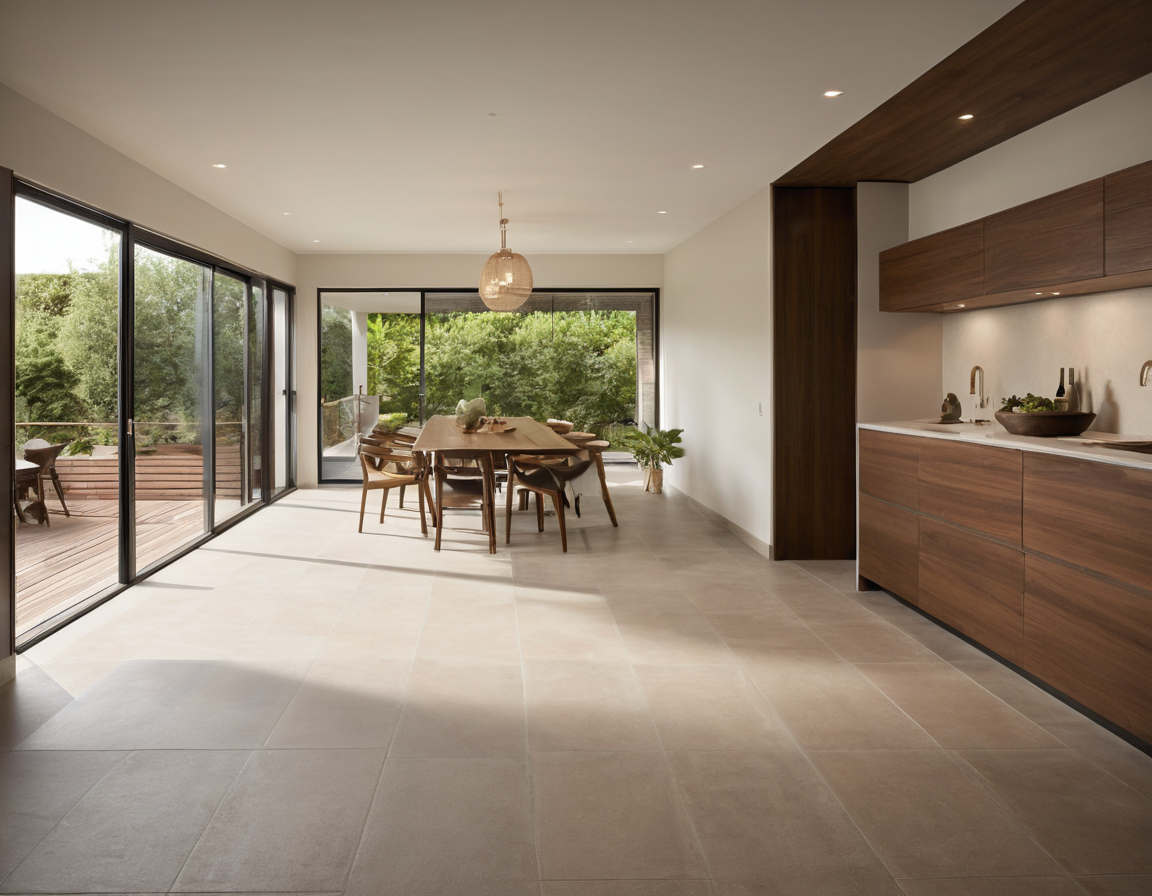
How does south-facing daylight alter paint colour appearance.
A pure white formulated to appear neutral under balanced daylight will look cream or ivory on a south-facing wall receiving extended direct sun. The perceived warmth comes from the incident light spectrum, not from chemical degradation of the binder. Choosing a white with a faint blue or gray undertone compensates for this optical warming effect, allowing the finished surface to appear closer to neutral under intense southern exposure.
Summer solar altitude rises sharply, pushing direct beams downward toward the floor and reducing the total wall area receiving unfiltered sunlight. Paint colors evaluated only during summer months will appear cooler and less saturated than they will in December. A charcoal gray tested in July may look acceptable, yet shift toward a warm brown-black once winter sun floods the same wall. Observing test patches across multiple seasons prevents this discrepancy.
What happens to paint colour in east-facing and west-facing rooms?
East-facing rooms receive direct morning light that shifts rapidly from warm to neutral as the sun rises, causing paint colors to shift noticeably within hours. West-facing rooms experience the reverse, with neutral morning light giving way to intense, warm afternoon sun that heavily saturates red and yellow undertones in paint.
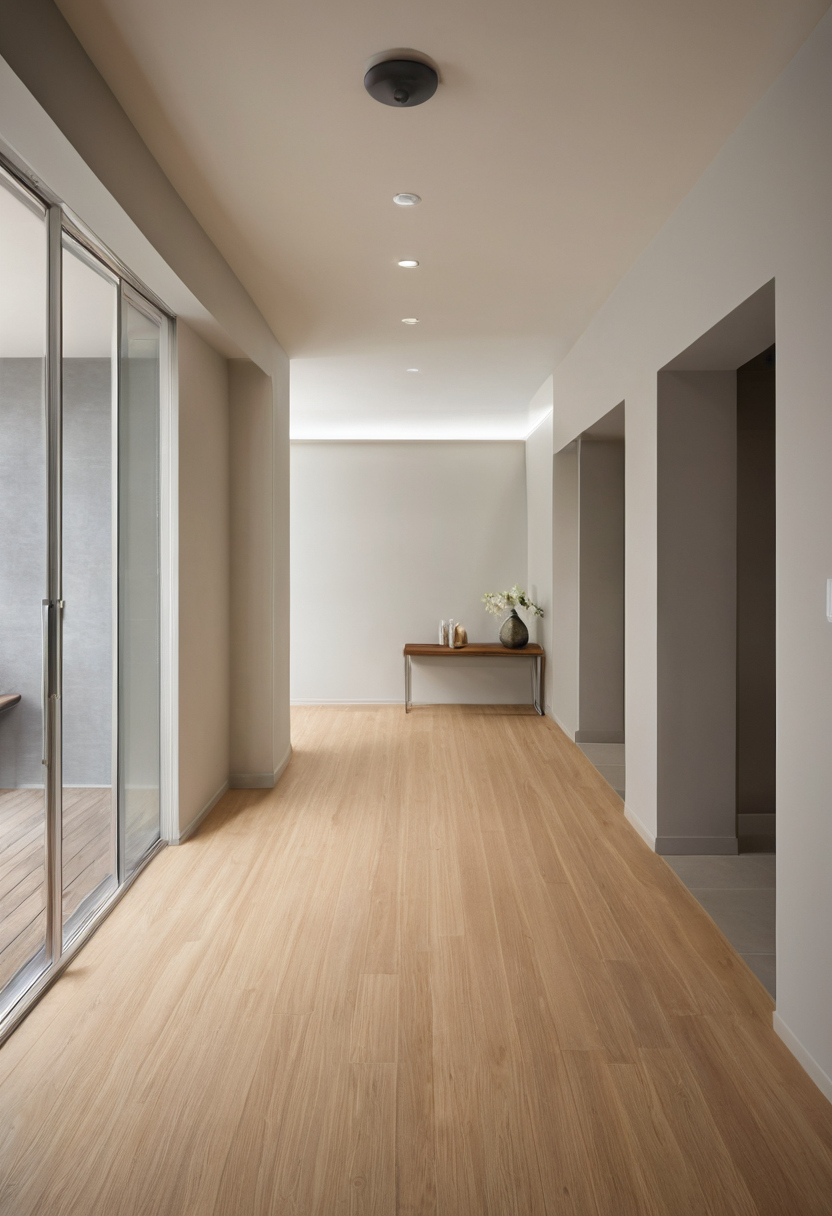
What happens to paint colour in east-facing and west-facing rooms.
The correlated color temperature on an east elevation can rise by several thousand Kelvin between dawn and midday through standard residential windows with unobstructed horizons. A pale blue-gray wall might appear soft and violet at 7 a.m., then flatten into a cool gray by noon. This rapid spectral shift means a single east-facing wall presents two distinct color readings before lunch.
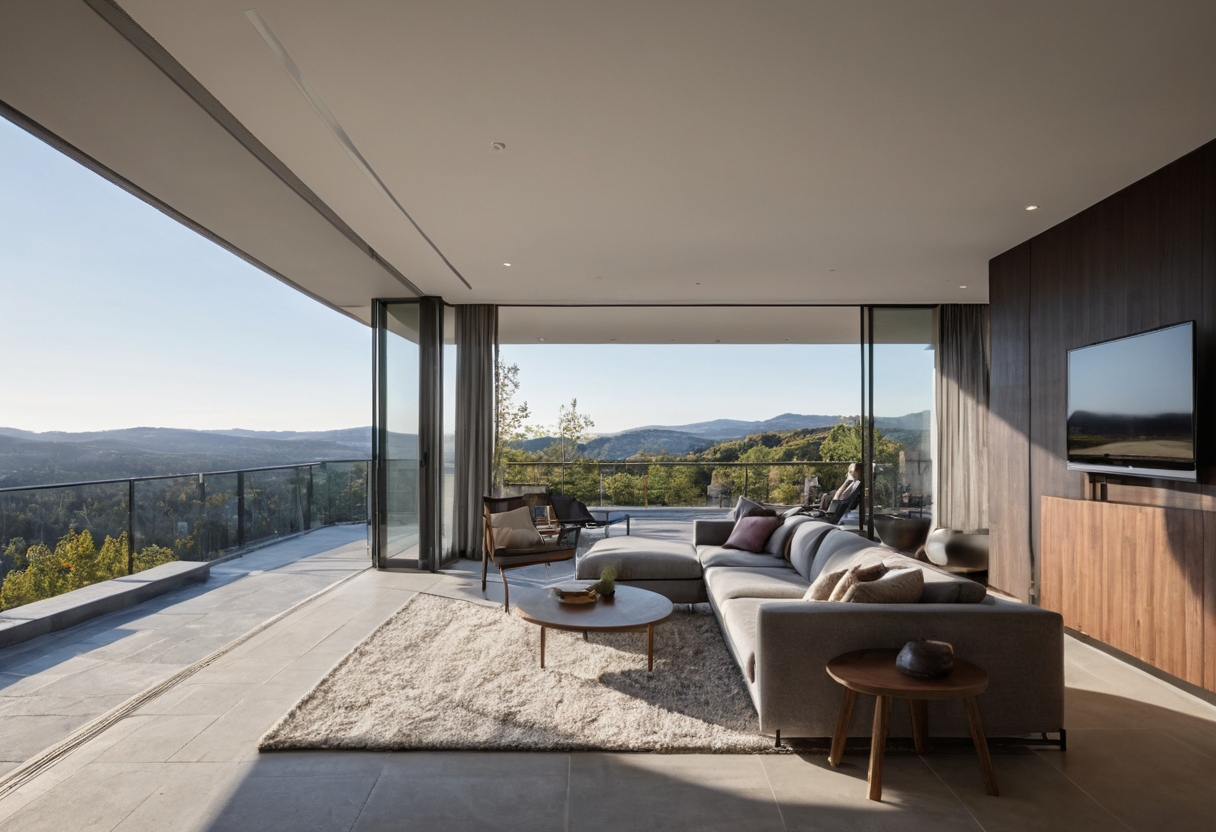
The correlated color temperature on an east elevation can rise by several thousand Kelvin between dawn and midday through standard residential.
West-facing windows receive indirect, cooler daylight through the morning. Afternoon sun then floods the room with low-angle radiation rich in long wavelengths. Warm whites turn amber. Terracotta pigments intensify beyond their intended saturation. The duration of this direct exposure depends on latitude and season, but the late-day warming effect remains consistent enough to dictate pigment selection for any west-facing interior.
Because these directional shifts happen daily rather than seasonally, observing a static chip fails to capture the full range of a color's behavior. Testing paint accurately across different orientations requires a method that accounts for these rapid spectral changes throughout the day.
How should you test paint colours accurately for different room orientations?
How do window glazing and artificial light interact with orientation effects?
For more on this topic, see other guides on this site.