Paint Finishes: Choosing Sheen by Use, Light and Substrate
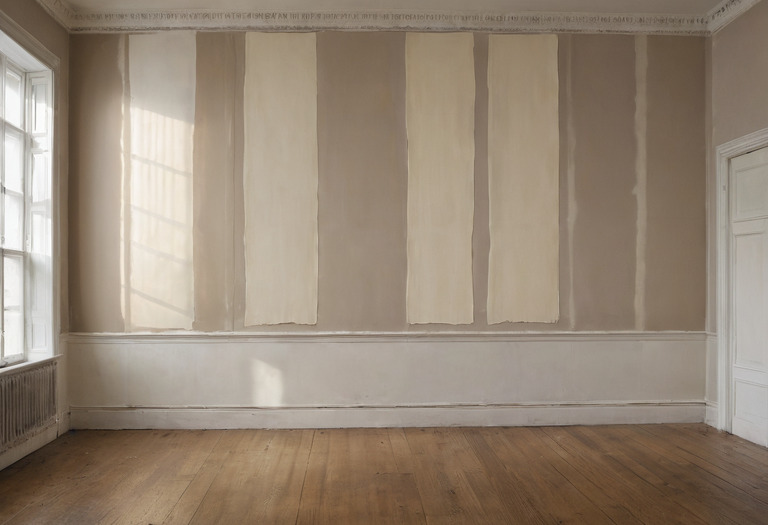
Choose paint by measured gloss, cleaning demand and substrate quality rather than the finish name on the can. Product data sheets matter because matte, eggshell and satin have no universal boundaries.
Paint finish affects cleaning, reflected light and how clearly a wall reveals imperfect plaster. Finish names do not provide a dependable specification on their own. One manufacturer's eggshell can be close to another manufacturer's satin, while a premium matte coating can outperform a basic satin coating under repeated cleaning.
Color selection remains a separate decision. The evidence behind perceived warmth, spaciousness and color associations is examined in what color actually changes in a room. Sheen determines how that chosen color responds to light and handling.
What do sheen numbers actually measure?
Sheen numbers describe light reflected at a defined instrument angle, not a simple percentage of all visible light. Technical sheets commonly report Gloss Units, abbreviated GU. Finish names remain commercial categories with overlapping boundaries, so the designer should compare products measured at the same angle and should not treat an eggshell label as a standard.
A gloss meter compares a coating against a calibrated reference surface. A 60-degree measurement geometry is common for mid-sheen coatings, while 85-degree geometry gives better differentiation among low-sheen paints and 20-degree geometry differentiates high-gloss finishes. GU values are not equivalent to percentage reflectance.
| Finish label | Typical published band | Visual behavior | Defect visibility |
|---|---|---|---|
| Flat | About 0 to 5 GU at 60 degrees | Minimal distinct reflection | Lowest under ordinary diffuse light |
| Matte | About 5 to 10 GU at 60 degrees | Soft reflection with limited glare | Low, but grazing light still exposes ripples |
| Eggshell | About 10 to 25 GU at 60 degrees | Visible luster at an oblique view | Moderate |
| Satin | About 20 to 35 GU at 60 degrees | Clearer highlights and stronger color shifts | Moderate to high |
| Gloss | Usually above 70 GU at 60 degrees | Sharp reflections | Very high |
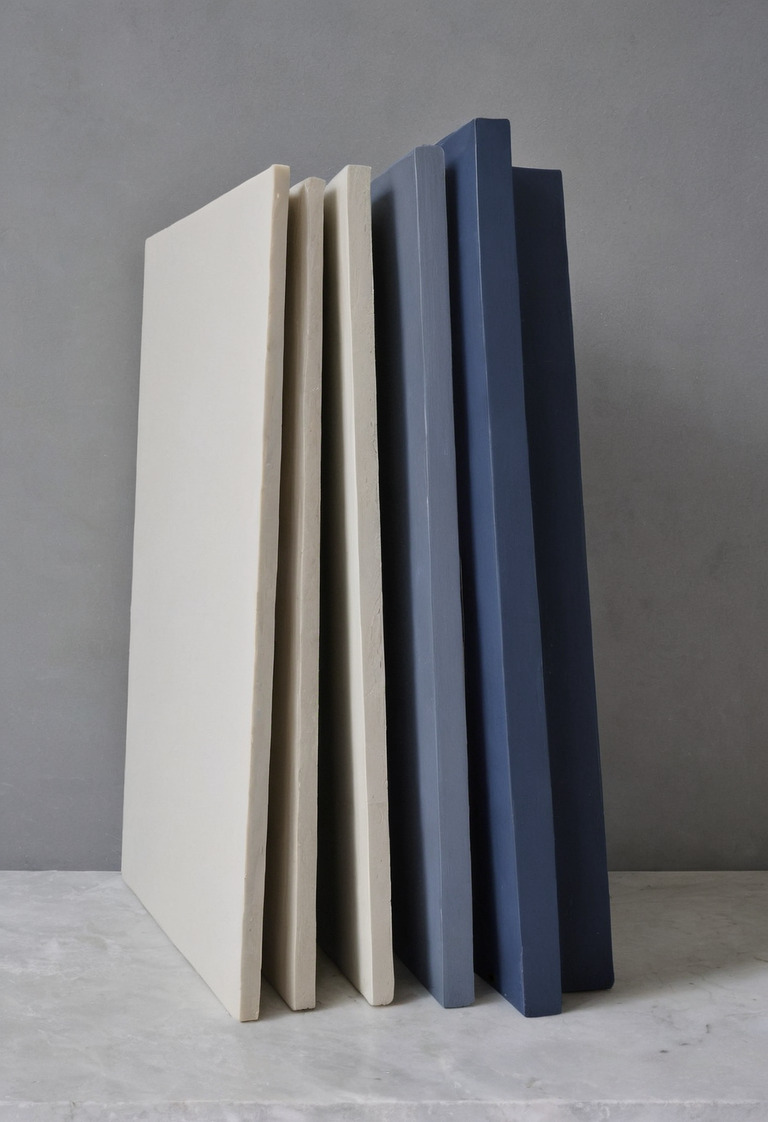
The bands in the table are comparison ranges rather than regulatory definitions. A technical sheet measured at 85 degrees cannot be compared directly with a value measured at 60 degrees. A physical sample remains necessary, especially for a monochrome room built around one hue, where small sheen changes create much of the visual depth.
Does higher sheen always mean better washability?
Higher sheen often accompanies a denser, less absorbent film, but sheen does not prove washability. Resin type, pigment volume, curing and formulation determine how a coating survives cleaning. Modern matte paints can achieve strong wet-scrub performance, while inexpensive satin paint may polish, soften or lose color after repeated wiping.
Wet-scrub resistance is more useful than claims such as "wipeable" or "family friendly." EN 13300 classifies interior wall and ceiling coatings by loss of film thickness during a controlled wet-scrub test performed under ISO 11998. EN 13300 Class 1 permits less than 5 micrometers of film loss after 200 scrub cycles. EN 13300 Class 2 permits at least 5 micrometers but less than 20 micrometers after 200 scrub cycles.
A Class 1 or Class 2 result supports use in circulation areas, kitchens and busy family rooms. The classification does not mean that every stain will release, and the classification does not authorize abrasive pads or strong solvents. Cleaning instructions on the product sheet still control.
Finish names describe appearance. A wet-scrub result describes tested resistance to repeated cleaning.
Dark matte colors deserve a sample test because rubbing can produce burnishing, a localized glossy patch caused by surface polishing. The risk becomes more apparent where texture changes the way light meets a surface or where hands repeatedly touch the same corner.
Which finish belongs in each room?
Room choice should follow contact, moisture and light direction. Matte generally suits ceilings and calm adult rooms. Washable matte or eggshell suits most living spaces. Satin handles repeated contact on trim and doors. Gloss belongs on deliberately prepared details rather than on ordinary walls with visible filler marks or waviness.
- Ceilings: Flat or matte paint limits reflections and disguises minor jointing defects. Bathroom ceilings need a coating whose technical sheet permits humid interior use.
- Living rooms and bedrooms: Washable matte or eggshell balances restrained reflection with occasional cleaning. A layered lighting plan should be reviewed before approving a sample because wall washers reveal defects that central pendants may conceal.
- Entrances and corridors: Eggshell or scrub-rated matte handles bags, hands and shoes more reliably than basic flat paint. The finish should be coordinated with the durable materials described in entrance surface planning.
- Kitchens: Scrub-rated matte, eggshell or satin can serve walls away from direct splashes. Impervious finishes remain necessary behind sinks and cooktops, as explained by kitchen and bathroom clearance planning.
- Bathrooms: Moisture-resistant eggshell or satin often suits walls outside shower enclosures. Painted plaster should not replace an approved waterproof assembly inside a shower.
- Doors, skirting and trim: Satin provides practical cleaning with less reflection than gloss. Gloss can emphasize crisp profiles when the joinery preparation is exact.
- Home offices: Low-sheen paint reduces distracting reflections behind screens. Desk orientation and task lighting still matter more, as covered in home-office lighting and acoustics.
Why does sheen expose wall defects?
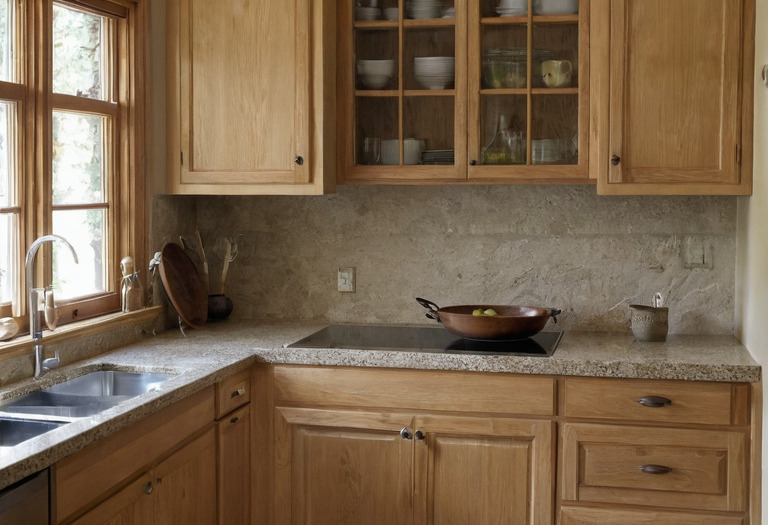
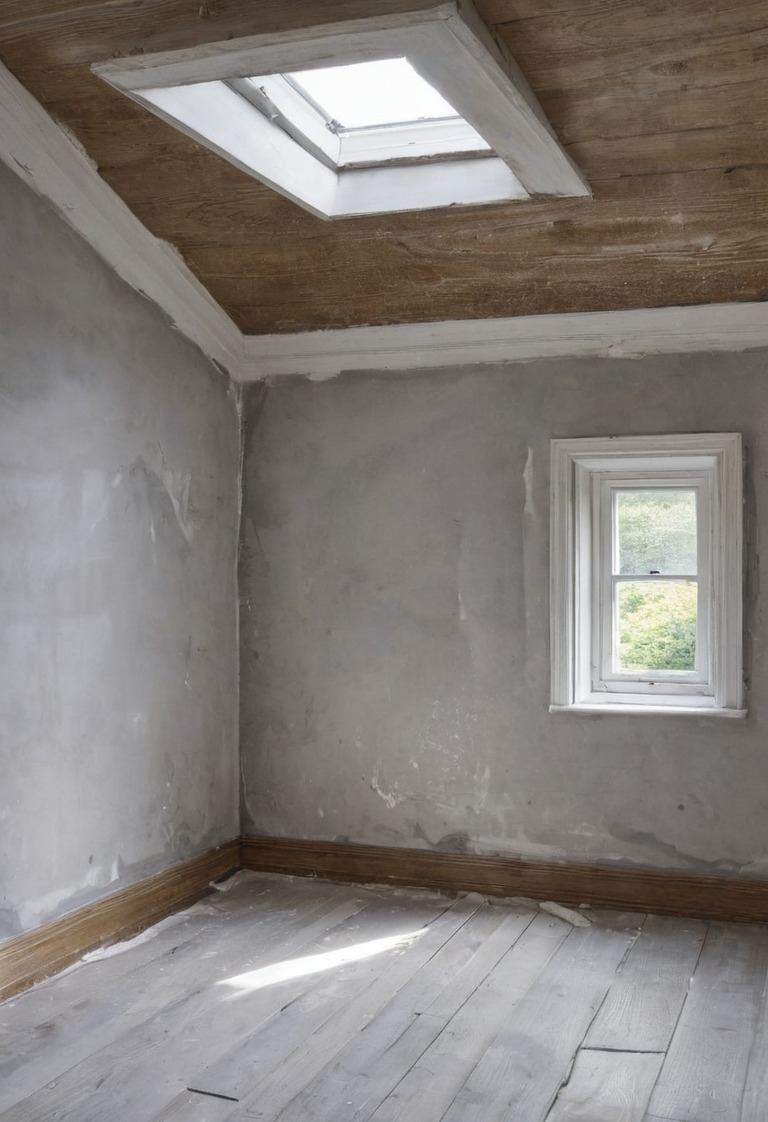
Glossy films form clearer reflections, so changes in surface angle become changes in brightness. Side light exaggerates sanding scratches, filler edges, plaster ripples and roller texture. Matte paint scatters reflections more broadly, but matte paint cannot hide poor preparation under strong daylight or a close wall-washing fixture.
A window beside a long wall creates grazing daylight that is particularly unforgiving. Curtain position, glazing direction and seasonal sun exposure should therefore be considered alongside daylight control and window treatments. Artificial wall washers create a similar effect after dark.
Check the prepared wall with a portable light held close to the surface before painting. The inspection light should travel parallel to the wall rather than face the wall directly. Sanding and filling should continue until the substrate looks consistent under the lighting condition that the finished room will use.
Ask the contractor to coat a sample area measuring at least 1 meter by 1 meter on the actual wall. Review the sample in morning daylight, evening light and the completed artificial-lighting scene. A small paper swatch cannot show sheen, roller texture or substrate defects.
When is primer necessary?
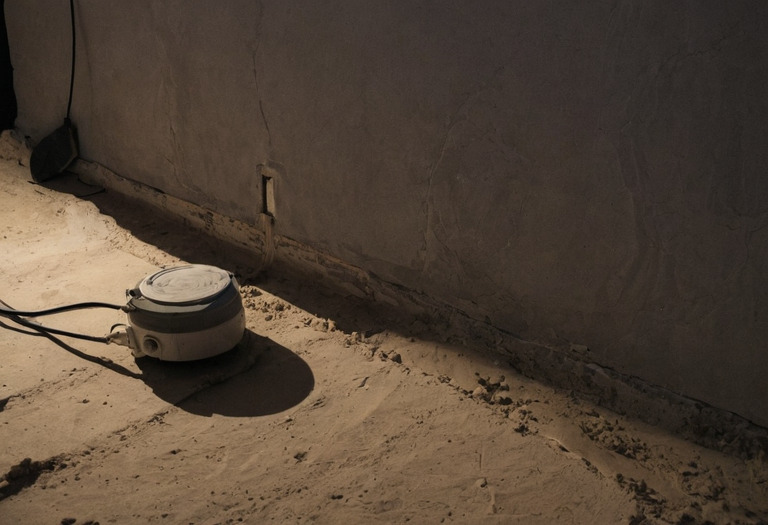
Primer is necessary when the substrate absorbs unevenly, carries stains, lacks adhesion or differs greatly in color. Bare plaster, filler patches, repaired drywall and porous masonry generally need sealing. Previously painted surfaces may need cleaning and abrasion instead, provided the existing coating remains sound and chemically compatible with the new system.
Primer selection should address a defined problem:
- A penetrating or plaster sealer controls suction on porous mineral surfaces.
- A stain-blocking primer isolates water marks, tannins, smoke residue or other confirmed discoloration.
- An adhesion primer helps a compatible topcoat bond to hard, glossy or difficult surfaces.
- A corrosion-resistant metal primer protects prepared ferrous components.
- A tinted primer can improve coverage beneath a major color change, although the topcoat manufacturer should approve the tint.
Paint should not be used to bridge moving cracks or conceal damp. Moisture sources require diagnosis before decoration. New custom cabinetry and millwork also need a coating system matched to the substrate, because medium-density fiberboard edges, solid timber and factory-finished veneer behave differently.
How long should an interior paint finish last?
Repainting intervals depend on occupancy, cleaning, sunlight, ventilation and substrate movement rather than sheen alone. A well-prepared coating can remain technically sound after its color looks tired. Hallways usually need attention sooner than ceilings, while kitchens and bathrooms may show local wear before the rest of the room.
The following ranges are indicative 2026 planning allowances for normally occupied private homes, not paint warranties:
| Surface or room | Planning interval | Likely reason for earlier work |
|---|---|---|
| Low-contact ceilings | About 7 to 10 years of occupancy | Staining, cracking or color change |
| Adult bedrooms and formal living rooms | About 5 to 8 years of occupancy | Fading, furniture marks or changed color |
| Entrances, corridors and family rooms | About 3 to 5 years of occupancy | Scuffs, burnishing and repeated cleaning |
| Kitchens and bathrooms | About 3 to 5 years of occupancy | Grease, condensation or local coating failure |
| Painted doors and trim | About 4 to 7 years of occupancy | Chipping at edges and hand contact |
A maintenance coat only performs well when the old film remains bonded. Peeling, persistent staining or recurring mold calls for diagnosis rather than another layer. The contractor should record the manufacturer, product code, color reference, sheen, batch and application date so later repairs have a reasonable chance of matching.
Fresh paint often requires longer to reach full cleaning resistance than to become touch-dry. The product data sheet should govern recoating and curing periods. Household staff and occupants should avoid washing the surface until the stated cure period has passed.
A final specification should name the exact product, color, measured or published sheen, wet-scrub class, primer, number of coats and application method. A room schedule built on those fields prevents the familiar site substitution of "matte everywhere" and makes future repainting more predictable.
Questions readers ask
- Is eggshell or satin better for interior walls?
- Eggshell usually makes minor wall defects less visible, while satin generally tolerates frequent wiping better. The product's wet-scrub classification provides better evidence than the finish name.
- Can washable matte paint be used in a kitchen?
- A washable matte coating can suit kitchen walls outside direct splash and steam zones when its technical sheet confirms strong wet-scrub resistance. A backsplash or another impervious surface should protect areas behind sinks and cooktops.
- Does gloss paint make a room brighter?
- Gloss paint produces sharper reflections, but gloss alone does not guarantee a meaningfully brighter room. Paint color, daylight, lamp output and surface orientation have greater practical influence on usable light.
- Do previously painted walls always need primer?
- Sound, clean and evenly colored paint may only need cleaning, abrasion and compatible topcoats. Bare filler, stains, porous plaster, glossy coatings and major color changes usually justify a suitable primer or sealer.